

Navigating Singapore’s HFMD and Flu Seasons: The Ultimate Guide to Disinfecting Children’s Clothing and Soft Toys
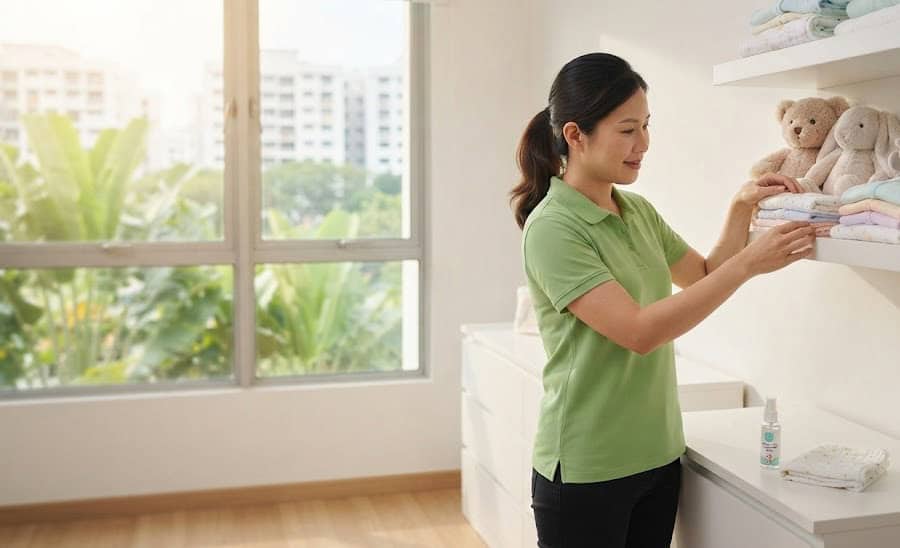
Proper thermal and chemical disinfection of children's toys and bedding breaks the transmission cycle of highly contagious viruses like Enterovirus and Influenza.
The Preschool Outbreak Challenge in Singaporean Households
For parents raising young children in Singapore, the ping of a school communication app like LittleLives or Parents Gateway often triggers a wave of anxiety. A notification from childcare centers such as PCF Sparkletots or My First Skool warning of a confirmed Hand, Foot, and Mouth Disease (HFMD) or influenza case in your child’s class immediately changes your daily routine. Suddenly, a typical afternoon turns into a careful effort to prevent highly contagious viruses from spreading throughout your HDB flat or condominium.
When these seasonal health alerts spike, many parents naturally focus on washing hands, wiping down high-touch plastic surfaces, and keeping sick children isolated. However, we often overlook the soft surfaces in our homes. Children’s school uniforms, bedsheets, blankets, and their favorite plush toys—often known locally as a “chou chou”—are highly effective carriers of bacteria and viruses. When a child sneezes, drools, or scratches an active blister, viral particles are transferred directly into the fabric weaves of their soft belongings.
Standard, low-temperature laundry washes are not enough to neutralize these resilient pediatric germs. Standard cold-water cycles simply shift the pathogens around inside the washing machine drum, cross-contaminating other garments instead of disinfecting them. To protect your household and break the transmission cycle, you need to understand the science behind disinfecting soft fabrics and use targeted, fabric-safe cleaning routines.
The Biology of Soft-Surface Pathogens: Non-Enveloped vs. Enveloped Viruses
To sanitize children’s clothes and toys effectively, it helps to understand the physical makeup of the viruses we are fighting. From a laundry perspective, viruses are divided into two main categories: enveloped and non-enveloped. This structural difference determines how difficult they are to kill on soft fabrics.
The Resilient HFMD Pathogen (Non-Enveloped Viruses)
HFMD is caused by enteroviruses, most commonly Coxsackievirus A16 and Enterovirus 71. These are non-enveloped viruses, meaning they are surrounded by a tough, protective protein shell called a capsid, rather than a lipid outer membrane.
This simple protein shell makes enteroviruses remarkably tough. They can survive on dry clothing, bedsheets, and plush toys for days, and are highly resistant to standard household hand sanitizers, mild baby soaps, and cold-water washes. To destroy non-enveloped viruses, you must use high heat or specialized chemical sanitizers that can break down their protective protein shell. This is why standard gentle washes often fail to clear the HFMD virus from contaminated children’s wear.
The Influenza Threat (Enveloped Viruses)
Seasonal influenza viruses are enveloped, meaning their genetic material is wrapped in a fragile lipid membrane. This outer layer makes them much easier to neutralize. Standard household soaps, detergents, and warm water can easily dissolve this fatty outer membrane, rendering the flu virus inactive.
While the flu virus is easier to kill, it spreads very quickly on fabrics. When an infected child coughs or sneezes, wet droplets land on their sleeves, collars, and soft toys. These droplets protect the virus, allowing it to survive in damp fabric weaves for up to forty-eight hours. If another family member touches the unwashed shirt or plush toy and then touches their eyes or nose, the virus can easily spread. This makes thorough sanitization important during active school outbreaks.
Soft Toys and Bedding: How Fabric Serves as a Germ Reservoir
Plush toys and cozy blankets are comforting for children, but their physical structure makes them highly effective at trapping and hiding viruses. Unlike hard plastic toys that can be easily wiped clean with disinfectant, soft toys are three-dimensional fiber webs that hold onto moisture and germs.
When a child is sick, biological fluids like saliva, nasal mucus, and fluid from ruptured skin blisters get rubbed into their favorite plushies. These organic fluids are pulled deep into the outer fabric and the internal polyester stuffing. As the liquid dries, it forms a protective crust around the viral particles, shielding them from air exposure and allowing them to survive longer inside your home.
This creates a high risk of cross-contamination. In high-density homes, a child’s favorite plush toy often travels from the living room sofa to the play mat, and finally into bed. Along the way, the toy sheds viral particles onto every surface it touches. To keep your home clean, you need to look beyond hard surfaces and use targeted sanitization methods for your household fabrics.
The Outbreak Pathogen Survival Matrix
Dealing with seasonal outbreaks requires a clear understanding of how different germs behave on fabrics. The table below compares common pediatric pathogens, showing how long they can survive on various household materials and the conditions needed to destroy them.
| Pathogen Type | Associated Illness | Survival on Cotton Fabrics | Survival on Plush Polyester | Thermal Neutralization Point | Recommended Sanitizing Agent |
|---|---|---|---|---|---|
| Enterovirus 71 | Severe HFMD | Up to 3 to 4 days | Up to 5 days | Sustained 60°C for 30 minutes | Activated Oxygen Bleach / High Heat |
| Coxsackievirus A16 | Standard HFMD | 2 to 3 days | 3 to 4 days | Sustained 60°C for 20 minutes | Sodium Percarbonate / Thermal Sanitize |
| Influenza A & B | Seasonal Flu | 12 to 24 hours | Up to 48 hours | Sustained 50°C for 10 minutes | Standard pH-Neutral Soap / Warm Water |
| Respiratory Syncytial Virus (RSV) | Bronchiolitis / Cold | Under 6 hours | 6 to 12 hours | Sustained 55°C for 5 minutes | Standard Detergent / Warm Water |
| Adenovirus | Conjunctivitis / Stomach Flu | Up to 7 days | Up to 10 days | Sustained 65°C for 30 minutes | Specialized Laundry Sanitizer / High Heat |
As the matrix shows, non-enveloped enteroviruses and adenoviruses can survive on soft surfaces for several days. Simple cold-water washes will not destroy these hardy pathogens, highlighting the need for targeted heat or specialized sanitizers to make contaminated fabrics safe.
Visualizing Pathogen Thermal Death Curves
The relationship between water temperature, wash duration, and virus survival is key to effective sanitization. Running a hot wash for just a few minutes is often not enough to fully neutralize resilient non-enveloped enteroviruses.
The chart below shows the survival rates of Enterovirus 71 (the severe HFMD virus) and Influenza A at various water temperatures over a typical thirty-minute wash cycle. While the flu virus is easily neutralized at moderate temperatures, the HFMD virus requires sustained, high heat to break down its protective outer shell.
This graph highlights the stark difference in thermal tolerance between the two viruses. While the flu virus is quickly inactivated as water temperatures rise, the HFMD virus remains highly stable until temperatures reach a sustained 60°C, showing why standard warm washes are often not enough to clear enteroviruses from infected fabrics.
Immediate Quarantine Wash Protocol for School Uniforms
If your child’s school has reported an active HFMD or flu outbreak, you need a planned approach to handle their daily school wear. Treat school uniforms, physical education (PE) shirts, socks, and fabric school bags as potentially contaminated items the moment your child walks through the door.
First, have your child change out of their school clothing immediately upon arriving home. Do this in a designated area close to the entrance to avoid tracking germs through your living spaces. When handling these clothes, do not shake them. Shaking soiled uniforms can launch microscopic dry virus particles into the air, where they can settle on nearby furniture or be inhaled by other family members.
Place the uniforms directly into a soluble laundry bag or a dedicated plastic basin. Keep these items completely separate from your main family wash. For pre-treatment, soak the soiled uniforms in warm water (around 40°C) mixed with an oxygen-based laundry sanitizer for at least thirty minutes. This initial soak helps loosen dried sweat, saliva, and organic fluids, preparing the fabric for a deep thermal wash.
Managing this level of sanitization alongside a busy work schedule can be a challenge. In these high-stress periods, using a professional laundry pickup and delivery service can take a significant burden off your shoulders. Leaving the deep cleaning to professionals ensures that your family’s clothes are sanitized using precise thermal and chemical wash cycles, helping to keep your home safe while you focus on caring for your children.
Safe, Non-Toxic Disinfection Protocols for Infant Wear and Sensitive “Chou Chous”
While parents understand the need to destroy active viruses during seasonal outbreaks, we often face a practical dilemma. Strong chemical disinfectants like sodium hypochlorite (chlorine bleach) are highly effective at killing pathogens, but they leave behind harsh chemical residues. For infants with sensitive skin or children prone to asthma and contact dermatitis (eczema), exposure to these residues can trigger skin flare-ups or breathing issues. This is especially true for items that spend hours pressed against a child’s face, such as bedsheets, pillowcases, and their treasured “chou chou” comforter plushies.
To sanitize these sensitive items safely, you need to use non-toxic, skin-safe alternatives. One of the most effective options is active oxygen bleach, also known as sodium percarbonate. When dissolved in warm water, sodium percarbonate breaks down into hydrogen peroxide and sodium carbonate (soda ash). This reaction releases oxygen bubbles that physically break down the protein structures of viruses without leaving behind any toxic or irritating chemical residues. This makes it a highly effective, color-safe option for sanitizing children’s wear.
For plush toys that are too fragile for a standard washing machine cycle, you can use a targeted hand-wash method. Submerge the plush toy in a basin of warm water (around 45°C to 50°C) mixed with a tablespoon of fragrance-free baby wash and a scoop of active oxygen bleach. Gently squeeze the warm soapy water through the toy’s outer fabric and internal stuffing for five to ten minutes, avoiding any rough rubbing that could damage the stitching. Rinse the toy thoroughly with clean, warm water to remove all soap. Press the toy between two dry towels to squeeze out the excess moisture, reshape it with your hands, and let it dry completely under a ceiling fan or in a well-ventilated room.
Visualizing Disinfection Efficacy vs. Skin Irritation Levels
Finding the right balance between virus-killing power and skin safety is key when choosing a cleaning agent for children’s soft belongings. Some strong disinfectants are excellent at destroying hardy enteroviruses but carry a high risk of irritating sensitive skin, while gentler natural cleaners may not have the chemical strength needed to fully neutralize tough pathogens.
The chart below compares common sanitizing methods, showing where they sit in terms of their disinfection power against non-enveloped viruses and their safety for sensitive baby skin. This visual guide helps you identify the safest, most effective options for your household laundry.
As this chart illustrates, the ideal cleaning methods sit in the upper-right quadrant, offering high disinfection power while remaining gentle on fabrics and skin. Sustained 60°C hot water and active oxygen bleach provide the best balance, destroying tough viruses without exposing your children to the harsh chemical residues of chlorine-based bleaches.
The Limits of Domestic Home Laundry Equipment
Many parents assume that their home washing machines are fully capable of sanitizing contaminated clothing during a school outbreak. While modern home appliances have many convenient features, standard domestic laundry routines often face practical limitations when it comes to true medical-grade disinfection.
The main challenge is temperature control. Many washing machines in Singaporean home laundry yards run on cold water or only offer short, heated cycles. Even if you select a 60°C setting on your machine, many domestic washers only reach this peak temperature for a few minutes during the cycle, rather than maintaining it for the full thirty minutes required to destroy tough, non-enveloped enteroviruses. Overloading the washing machine drum makes this problem worse. When the drum is packed too tightly, water cannot circulate freely, creating cool pockets where viruses can survive and spread to other clothes.
Drying your laundry presents another challenge. During the humid monsoon months, hanging wet clothes and plush toys on balcony racks or HDB bamboo poles can take days. When fabric stays damp for a long time, it becomes an ideal breeding ground for mold, mildew, and bacteria. Additionally, outdoor clothes lines can expose clean laundry to airborne dust, soot, and pollen. To ensure your fabrics are fully sanitized, they need consistent, managed heat during both the wash and dry cycles—something that is difficult to achieve with standard home drying setups.
The Quarantine Lifesaver: Contactless Doorstep Care for Busy Households
Caring for a sick child while managing work-from-home tasks or daily household responsibilities is physically and mentally exhausting for parents. When a child is home under quarantine with HFMD or the flu, the sheer volume of dirty laundry—including multiple changes of soiled clothes, sweaty bedsheets, and contaminated blankets—can quickly feel overwhelming.
During these stressful periods, taking contaminated laundry bundles to public self-service laundromats or shared estate washers is not ideal. Carrying potentially infectious clothing through public spaces can present a health risk to the community, and spending hours waiting at a laundromat is a major drain on your time and energy. You need a convenient, hygienic solution that lets you focus entirely on your child’s recovery.
This is where professional doorstep collection services become a lifesaver. Using a professional service allows you to bag and seal contaminated laundry safely at home, ready for contactless pickup from your doorstep. This keeps infected items isolated and managed professionally, ensuring they are treated with precise thermal and solvent-based wash cycles that eliminate viruses without exposing your family to harsh chemicals, giving you peace of mind during difficult times.
Frequently Asked Questions about HFMD and Laundry Disinfection
How do I sanitize a plush toy that cannot be machine-washed?
For fragile plush toys, avoid machine-washing. Instead, perform a gentle hand-wash in warm water (around 45°C to 50°C) mixed with active oxygen bleach and baby wash. Squeeze the warm soapy water through the toy’s stuffing for ten minutes. Rinse thoroughly, press out excess water with dry towels, and dry the toy completely under a ceiling fan to prevent mold growth.
Does baby laundry detergent kill the HFMD virus?
No, standard baby detergents do not have the chemical strength to destroy the HFMD virus. Enteroviruses are non-enveloped, meaning they are surrounded by a tough protein shell that is highly resistant to mild soaps and cold water. To destroy the virus, you must combine your detergent with active oxygen bleach or use a sustained thermal wash of at least 60°C.
Is sun-drying on a balcony enough to disinfect contaminated bedding?
While the UV rays in natural sunlight have mild sanitizing properties, sun-drying alone is not reliable enough to fully disinfect sheets contaminated with HFMD or influenza. Singapore’s weather is often humid and cloudy, which slows down drying times and can encourage bacterial growth. Bedding should undergo a proper hot water wash before drying.
What temperature kills influenza on cotton fabrics?
Influenza is an enveloped virus, making it highly sensitive to heat and soap. A wash temperature of 50°C maintained for ten minutes is sufficient to break down the virus’s lipid outer membrane and render it inactive. Combining this warm water cycle with standard laundry detergent ensures thorough sanitization of cotton garments.
Should I wash my child’s school bag during a school health alert?
Yes, school bags are frequently touched soft surfaces that can easily carry germs. If your child’s school has reported an active outbreak, wash fabric bags in a warm, gentle machine cycle with an oxygen-based sanitizer. For structured or non-washable bags, wipe down all surfaces, zippers, and straps thoroughly with disinfectant wipes.
Empowering Parents with Smart Hygiene Routines
Managing seasonal school outbreaks of HFMD and the flu does not have to be a source of constant stress for your household. By shifting from panic to a planned, systematic approach, you can easily protect your home and keep your family healthy. Understanding the science of fabric sanitization and using targeted, non-toxic cleaning routines ensures that your children’s clothes, bedding, and favorite toys remain clean and virus-free.
When laundry demands feel too high or you are dealing with delicate fabrics and beloved comforters that require specialized care, seeking professional help is a smart, reassuring choice. As an NEA-licensed cleaning service since 2011, we are committed to helping Singaporean families maintain clean, hygienic homes. Trusted by over 43,000 Facebook followers and holding a consistent 4.8-star Google review rating, we use precise thermal wash cycles, commercial-grade drying equipment, and safe sanitizing agents to deep-clean your soft belongings without using harsh chemicals.
Take the stress out of outbreak season and focus on what matters most—your family’s health and recovery. Whether you need a comprehensive, hot thermal wash for contaminated school wear or professional sanitization for a cherished plush toy, we are here to support you. Contact us today to schedule a convenient, contactless doorstep pickup and let us help you keep your home clean and safe.